2-Year-Old Speech Milestones: What’s Normal and When to Worry


Disclaimer: This article provides information for educational purposes only and does not constitute medical advice, diagnosis, or treatment. Always consult with your pediatrician or a licensed speech-language pathologist (SLP) regarding your child’s specific developmental needs.
In my time observing the shifts in pediatric development over the last few years, few topics have sparked as much conversation—and anxiety—among parents as the 24-month speech threshold. As we navigate 2026, the landscape of “normal” speech has changed, not just because of how children are growing, but because of how we measure them. When you walk into a playground today, you might see one two-year-old narrating their entire sandbox experience while another uses only a few pointed gestures and single words.
This disparity can be agonizing for parents. We live in an era where data is at our fingertips, yet the “wait and see” approach remains a common recommendation. However, from what I have observed in recent clinical data and the evolving guidelines from organizations like the CDC and the American Speech-Language-Hearing Association (ASHA), waiting is no longer the default strategy. The year 2026 has brought a clearer understanding of the “critical window” for brain plasticity, reinforcing that the words your child speaks—and understands—at age two are vital indicators of their future academic and social success.
The 24-Month Milestone: The Great Debate Between CDC and SLPs
One of the most significant developments in early childhood monitoring occurred when the CDC updated its developmental milestones. In my experience reviewing these changes, the primary shift was a move from 50% “average” benchmarks to 75% “screening” benchmarks. This means that current CDC guidelines for 2026 reflect what 75% or more of children can do, rather than the middle-of-the-pack average.
According to the CDC’s February 2026 update, a typical 24-month-old should be able to:
- Point to things in a book when you ask, “Where is the bear?”
- Say at least two words together, such as “More milk” or “Doggie run.”
- Point to at least two body parts when asked.
- Use gestures beyond just waving and pointing, such as blowing a kiss or nodding “yes.”
However, there is a tension here. Many Speech-Language Pathologists (SLPs) argue that these standards “lower the bar.” For instance, while the CDC now lists the “50-word” milestone at 30 months (2.5 years), many clinical experts, including Tami Teshima, M.A., CCC-SLP, noted in late 2024 that waiting until 30 months to worry about a child who has fewer than 50 words could result in missing the most effective window for early intervention. In my observations, many private practitioners still use the 50-word mark at 24 months as a “clinical gold standard” for identifying late talkers.
Receptive vs. Expressive Language: Why “Understanding” Matters Most
When you are assessing your child’s progress, it is easy to focus solely on what they are saying. But in the world of pediatric speech, receptive language—what your childunderstands—is often a better predictor of future development than expressive language. From what I’ve gathered from recent 2025 reports by Kaiser Permanente, a two-year-old’s ability to follow a two-step command, such as “Pick up your shoes and put them by the door,” is a major cognitive milestone.
Receptive language is the foundation. If a child has a significant expressive delay (they aren’t talking much) but has strong receptive skills (they understand everything you say), their prognosis is often much better. Conversely, if a child isn’t talking and doesn’t seem to understand simple questions like “Where is your hat?”, this is a much higher priority for evaluation.
In 2026, clinicians are placing more emphasis on “joint attention.” This is the ability of your child to share an interest in an object or event with you—like pointing at a plane in the sky and looking back at you to see if you noticed it. If this “social loop” is missing, it is often a sign that the speech delay might be part of a larger developmental or social-communication challenge.
The Vocabulary Explosion: What the Numbers Tell Us
The term “vocabulary explosion” refers to the rapid acquisition of words that typically happens between 18 and 30 months. While the CDC may have relaxed the 50-word milestone to 30 months for screening purposes, research from the Children’s Hospital of Philadelphia (CHOP) updated in late 2025 suggests that most children actually use at least 100 to 200 words by their second birthday.
| Source | Milestone Age | Expected Skill / Word Count |
|---|---|---|
| CDC (2026 Update) | 24 Months | 2-word phrases; 2 body parts; 75% of kids |
| SLP Clinical Norms | 24 Months | 50-200 words; 50% of kids |
| Mayo Clinic (2025) | 24 Months | 50-100 words; understood 50% of the time |
| ASHA Guidelines | 30 Months | 200-400 words; 2-3 word sentences |
From my perspective, focusing on the type of words is just as important as the quantity. By age two, you should hear a mix of:
- Nouns: Names of people, pets, and favorite foods.
- Verbs: “Go,” “Up,” “Eat,” “Sleep.”
- Social Words: “Hi,” “Bye,” “Please.”
- Pronouns: “Me,” “Mine,” “You.”
- The “Quiet” Toddler: Not using at least 50 words spontaneously (without prompting).
- Lack of Phrases: Still only using single words and not attempting to put two words together.
- Intelligibility Issues: If you, as the primary caregiver, can understand less than 50% of what your child says. (Note: Strangers will likely understand even less, but the parent’s “translation” ability is the baseline).
- Regression: If your child had a few words but suddenly stopped using them. This is always a priority flag.
- Limited Gesture Use: Not pointing, waving, or showing you things to share interest.
- Frustration-Based Behavior: Frequent meltdowns because they cannot communicate their needs. As noted by buildingblockstherapy.com in late 2024, behavior problems are often “symptoms” of a receptive or expressive language gap.
- Oral-Motor Skills: Checking for physical issues with the tongue, lips, or palate. They may look for signs of “excessive drooling” or difficulty with certain textures of food, which can indicate muscle weakness.
- Articulation: Can the child make the “early sounds” like /p/, /b/, /m/, /d/, and /n/?
- Pragmatics: How does the child use language to interact? Do they make eye contact? Do they use gestures to get your attention?
- Play Skills: Language and play are intrinsically linked. Does the child engage in “functional play” (rolling a car) or “symbolic play” (feeding a doll)? If a child’s play is repetitive or “stuck,” it often mirrors a “stuck” point in their language development.
If your child’s vocabulary consists entirely of nouns (labels for things) without any verbs or social words, they will find it very difficult to transition into the “phrase” stage. Combining “Milk” (noun) with “More” (adjective/verb-like) is the first step toward complex thought.
Red Flags at Age Two: When the Warning Lights Flash
Identifying a delay is not about comparing your child to the “genius” toddler next door; it’s about looking for specific gaps in functional communication. From what I’ve seen in current 2026 screening protocols, there are several “red flags” that warrant an immediate call to an SLP or an Early Intervention (EI) office.
Key Red Flags at 24 Months:
In my experience, parents often feel they should wait until a child is three, but by then, the gap between the child and their peers has usually widened significantly, making catch-up more difficult.
The Post-Pandemic Echo: Why Speech Delays Plateaued at 17% in 2026
We are currently living through the “echo” of the early 2020s. According to a January 2025 study by Epic Research (Cosmos dataset), speech delay diagnoses among toddlers surged during the pandemic years and have remained steady at approximately 16-17% through 2024 and 2025.
Many of us expected these numbers to fall as social restrictions eased, but the data suggests otherwise. The study, which looked at over 1.3 million children, found that the rate of speech delay diagnosis by age two has plateaued rather than declined. This suggests that environmental factors—including changes in how we interact with infants and the increased presence of digital distractions—may be playing a more permanent role in developmental trajectories.
This “new normal” of higher diagnosis rates has put a strain on public systems but has also led to more robust screening. We now know that nearly 1 in 5 children may need some form of communication support. This shouldn’t be a source of shame; it’s a reflection of a society that is becoming better at identifying needs early.
The Digital Barrier: New 2025/2026 Data on Screen Time and Speech
One of the most frequent questions I encounter is: “Does screen time cause speech delay?” While “cause” is a strong word, the correlation is now undeniable based on recent 2025 and 2026 research. A study published in Brieflands in August 2025 found a statistically significant difference: toddlers with speech delays averaged 3.1 hours of screen time per day, compared to just 1.8 hours for children without delays.
ASHA Leader reports have further quantified this risk. For every 30-minute increase in handheld screen time (tablets, phones), there is a 49% increased risk of expressive speech delay. The mechanism is what experts call the “displacement hypothesis.” Time spent on a screen is time displaced from “serve and return” interactions.
“Serve and return” is the back-and-forth exchange where a child “serves” a babble or a gesture, and the parent “returns” it with a word or a smile. Screens are “passive” or “low-interaction,” meaning the child’s brain isn’t getting the linguistic feedback necessary to wire the speech centers. Even “educational” apps, according to the American Academy of Pediatrics (AAP) 2025 guidelines, cannot replace the human voice and facial expressions that a child needs to learn the nuances of language.
Bilingualism in the Modern Home: Myth vs. Reality
A common misconception that persists in 2026 is that speaking two languages at home will confuse a child and cause a speech delay. From everything I’ve gathered from the Mayo Clinic and ASHA, this is fundamentally false.
In fact, children in bilingual households should reach their milestones at the same time as monolingual children. The “total conceptual vocabulary” (the number of concepts they know across both languages) is usually equal to or greater than that of their peers. For example, if a child says “milk” in English and “agua” in Spanish, they have two “words” for two different concepts.
If a bilingual 24-month-old is showing a delay, it is almost certainly due to an underlying language disorder or a hearing issue, not the bilingualism itself. Experts recommend that parents speak to their children in the language they are most comfortable with, as this provides the highest quality linguistic “model” for the child to mimic.
Early Intervention (EI): Navigating Public vs. Private Support in 2026
If you are worried about your child’s speech, the first step is usually an evaluation. In the United States, you have two primary paths: the public Early Intervention (EI) system or private therapy.
Public Early Intervention (Part C of IDEA):
Every state has a federally funded program for children from birth to age three. In my experience, this is the most under-utilized resource for parents. Evaluations are typically free, and if your child qualifies, therapy is often provided at little to no cost on a sliding scale. According to the Prenatal-to-3 Policy Impact Center, while 13-20% of children might benefit from EI, only about 4% were enrolled as of late 2024, highlighting a massive gap in service delivery.
Private Speech Therapy:
For families who do not qualify for public services or who want more intensive 1-on-1 care, private therapy is an option. However, as we see in 2026, the costs have risen.
| Service Type | Average Cost (2026) | Insurance Coverage |
|---|---|---|
| Initial Evaluation | $150 – $700 | Often covered with referral |
| 30-Minute Session | $65 – $175 | Copay typically $20-$50 |
| 60-Minute Session | $100 – $250 | Copay typically $30-$70 |
| Teletherapy | $75 – $150 | Frequently covered by major plans |
From what I’ve observed, many families in 2026 are opting for “hybrid” models—using free public services for baseline support while supplementing with private “boutique” clinics for specialized sound production work.
The Role of the SLP: What Happens in a 2026 Evaluation?
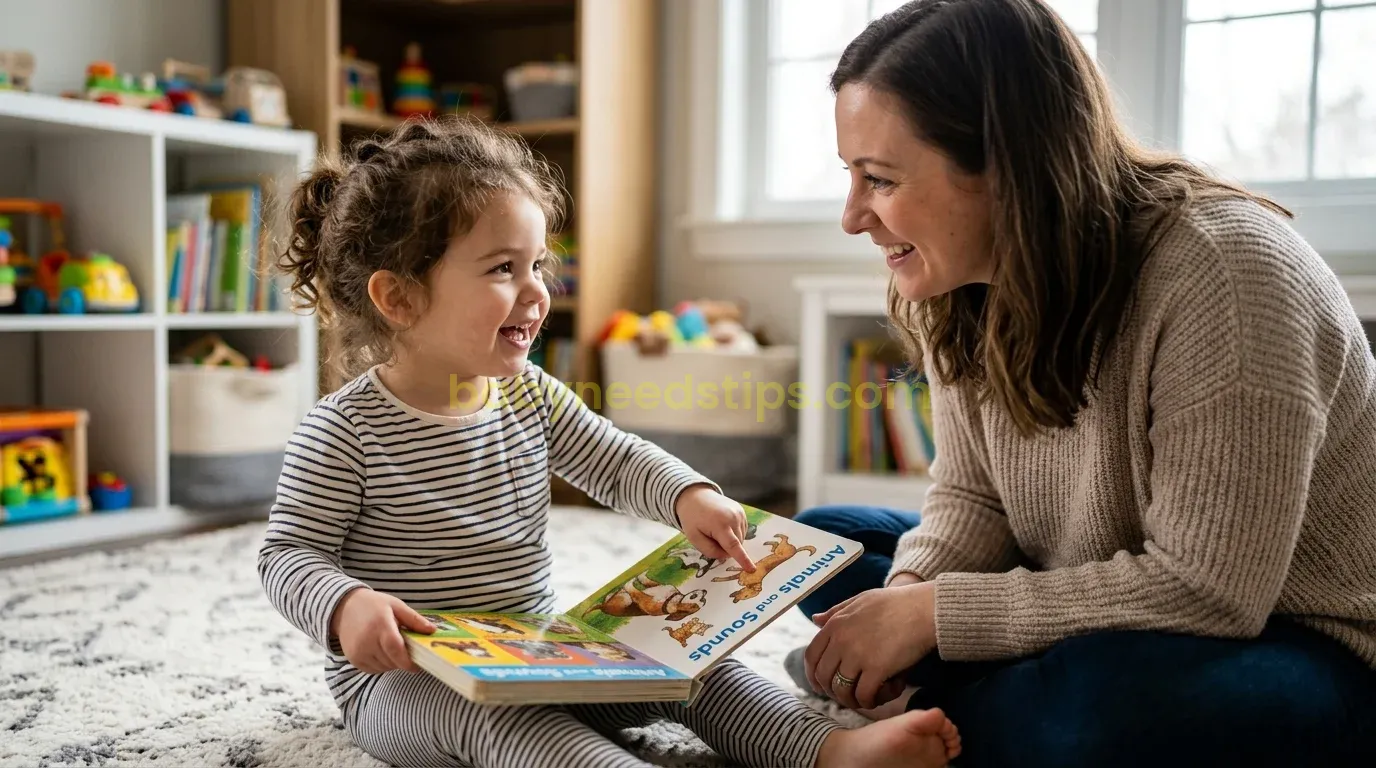
If you decide to move forward with a speech evaluation, you might wonder what to expect. In 2026, these evaluations have become more holistic. A Speech-Language Pathologist doesn’t just count words; they look at the “whole child.”
During a 60-90 minute evaluation, the SLP will likely assess:
As Amy Yacoub, MS, CCC-SLP, pointed out in mid-2024, a professional evaluation is often a relief for parents. It moves the conversation from “anxious guessing” to a “data-driven plan.”
Practical Home Strategies for Speech Stimulation
You are your child’s best teacher. While therapy is important, the “magic” happens in the 167 hours a week when they aren’t in a clinic. Based on 2025 clinical recommendations from Nationwide Children’s Hospital, here are the most effective strategies you can use today:
FAQ: Frequently Asked Questions About 2-Year-Old Speech
Q: My child only uses a few words but understands everything. Should I still worry?
A: In my experience, this is the “Late Talker” profile. While strong receptive language is a good sign, if they aren’t using 50+ words or phrases by 24 months, an evaluation is still recommended. About 25% of late talkers continue to have language difficulties into elementary school if left unsupported.
Q: Can ear infections cause a speech delay?
A: Yes. Chronic ear infections can lead to fluid in the middle ear, which makes sounds muffled—similar to being underwater. If a child can’t hear the “s” or “t” at the end of words, they won’t learn to say them. An audiologist referral is often part of a speech evaluation.
Q: Does “baby talk” hurt their development?
A: High-pitched, melodic “parentese” (where you use real words but in a sing-song way) is actually beneficial. However, using “fake” words (like “wawa” for water) indefinitely can be counterproductive. It’s best to model the correct word: “Yes, you want water!”
Q: Will they outgrow it once they start school?
A: This is a persistent myth. While some “late bloomers” do catch up, the “wait and see” approach is risky. By age 5, the gap is much harder to close. Early intervention is significantly more effective and less expensive than later remedial services.
Q: How do I find a local SLP?
A: You can start with your pediatrician, but you can also search the ASHA ProFind database or contact your local school district for the state’s Early Intervention intake office.
Key Takeaways for Parents in 2026
* Act Early: Brain plasticity is highest before age 3. If you have a “gut feeling” something is off, trust it.
* Quantity vs. Quality: 50-100 words is the “clinical” benchmark at age two, but combining those words into phrases is the goal.
* Reduce Screens: Current data shows a direct link between handheld device use and expressive delays. Aim for “serve and return” instead.
* Bilingualism is a Strength: It does not cause delays; it enriches cognitive flexibility.
* Seek Public Support: Early Intervention is often free and highly effective, yet remains underused by families.
Expert Quotes on the 2026 Speech Landscape
“The CDC updates were intended to help pediatricians know when to refer, but for many SLPs, they represent a ‘waiting room’ for children who could be making progress now. We don’t want to wait for a child to fail; we want to help them thrive.”
— Tami Teshima, M.A., CCC-SLP (2024)
“Language development isn’t just about the tongue and the mouth; it’s about the social-emotional connection between a child and their caregiver. When we lose that ‘back-and-forth’ to digital distractions, we lose the primary engine of human development.”
— From 2025 Pediatric Health Summit findings
“By the first grade, roughly 5% of children have noticeable speech disorders. The majority of these cases could have been mitigated or resolved entirely if intervention had begun at the 24-month mark.”
— NIDCD / NIH Statistics (July 2025 update)
Conclusion
As we look at the state of toddler development in 2026, it is clear that the definition of “normal” is being pulled in two directions. On one hand, public health guidelines have shifted to account for a broader range of “typical” behavior. On the other, our clinical understanding of the brain’s “critical periods” has never been more precise, urging us to intervene sooner rather than later.
From my perspective as a journalist covering these trends, the most important thing you can do for your two-year-old is to be an active, vocal participant in their world. Whether your child is a “late talker” or just following their own unique path, the environment you create at home—one filled with books, “serve and return” play, and limited digital interference—is the most powerful tool in your parenting arsenal. If you are in doubt, don’t wait for the 30-month checkup. Seek an evaluation today; your child’s future “voice” is worth the effort.