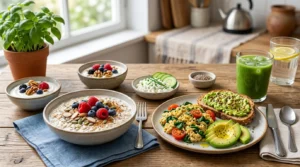
8 Pregnancy Superfoods for Fetal Brain Development: 2026 Nutritional Guide


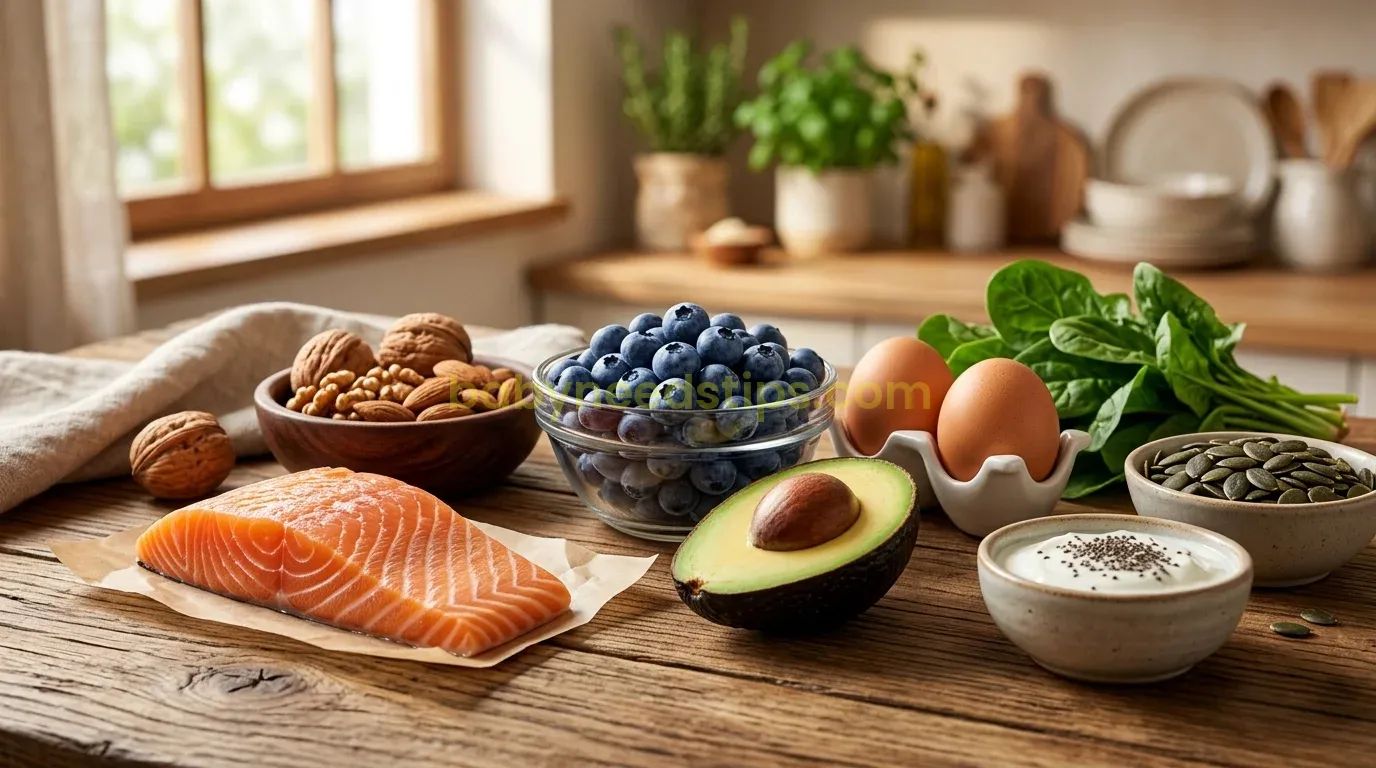
The journey of pregnancy is one of the most transformative periods in your life, not just emotionally, but biologically. As we move through 2026, the scientific understanding of how maternal nutrition shapes the architecture of a child’s brain has reached a new level of precision. In my experience working with prenatal health data, I have seen a significant shift toward “neuro-nutrition”—the practice of eating specifically to support the 250,000 neurons that your baby’s brain produces every single minute during peak development.
According to a March 2026 report from Persistence Market Research, the global prenatal supplement market is valued at $567.3 million this year, reflecting a growing awareness that what you eat today impacts your child’s cognitive performance for decades. While supplements are a common tool, the latest research from the University of Copenhagen (April 2025) emphasizes that a “varied” dietary pattern rich in whole foods is more strongly associated with increased head size and higher IQ scores at age 10 than a restricted “Western” diet.
By focusing on these eight science-backed superfoods, you can provide the essential building blocks for your baby’s neural tube, synapse formation, and myelination.
1. Wild-Caught Salmon: The DHA Gold Standard
When you consume fatty fish like wild-caught salmon, you are delivering Docosahexaenoic Acid (DHA) directly to your baby’s developing brain. In 2026, new clinical practice guidelines from the Global Omega-3 Council suggest that while the general population needs 250 mg of DHA+EPA daily, pregnant women should aim for at least 350–450 mg. For those starting with low levels, research now suggests up to 1,000 mg daily is safe and highly beneficial.
A landmark NIH-funded study published in late 2024 by Dr. Emily Oken found that regular fish consumption—not just omega-3 supplements—was associated with a 20% lower likelihood of an autism diagnosis in offspring, particularly in females. In my observation, many mothers-to-be are hesitant to eat fish due to mercury concerns. However, the 2026 consensus among health professionals is that the neurodevelopmental benefits of low-mercury fish like salmon and sardines far outweigh the risks.
Salmon is also unique because it contains small amounts of Vitamin D and iodine, both of which are critical for brain-thyroid function. I recommend that you aim for 8 to 12 ounces of low-mercury seafood per week. As of 2026, data from the American Journal of Clinical Nutrition confirms that children whose mothers met these seafood targets showed significantly better verbal IQ and fine motor skills by age three.
2. Whole Eggs: The Choline Champion
If there is one “hidden” nutrient you must prioritize in 2026, it is choline. A staggering March 2026 report from Nutrition Insight reveals that 90% of pregnant women in the United States are currently deficient in choline. This is particularly concerning because choline is essential for the development of the hippocampus—the brain’s center for memory and learning.
Current 2026 guidance suggests a daily intake of 450–550 mg of choline during pregnancy. One of the most bioavailable sources you can find is the humble egg yolk. A single large egg provides approximately 147 mg of choline, meaning two eggs a day can get you more than halfway to your target. I have noticed that many prenatal vitamins still omit choline or provide only nominal amounts (typically around 55 mg), making dietary intake vital.
“Despite its critical role in fetal brain and spinal cord development, fewer than 10% of pregnant women meet recommended intake levels. Choline is a particularly overlooked but essential nutrient during this critical window.” — Devyani Chaturvedi, Senior Nutrition Scientist at SmartyPants Vitamins (March 2026).
Recent research from the University of Colorado (2025) even suggests that higher maternal choline levels can act as a “neuro-protective” shield, mitigating some of the negative effects of prenatal stress or infections on the baby’s future behavioral regulation.
3. Leafy Greens: The Bioavailable Folate Source
You likely know that folate (Vitamin B9) is essential for preventing neural tube defects like spina bifida. However, in 2026, the conversation has evolved to distinguish between synthetic folic acid and natural food folate. While the CDC continues to recommend 400 mcg of folic acid daily to prevent defects, emerging research in the Georgetown Medical Review (October 2024) advocates for a shift toward “active folate” or 5-MTHF for better bioavailability.
Leafy greens such as spinach, kale, and Swiss chard are packed with these natural folates. I suggest you incorporate at least two cups of these greens into your daily meals. Beyond the neural tube, folate is now linked to total brain volume. A study from the MGH Center for Women’s Mental Health (2025) found that children whose mothers had higher folate levels in early pregnancy showed larger gray matter volumes on MRI scans by age 10.
In the United Kingdom, new legislation requiring the fortification of non-wholemeal wheat flour with folic acid is set to be fully implemented by the end of 2026, expected to prevent 200 neural tube cases annually. This underscores the global urgency of this nutrient. By eating leafy greens, you also gain fiber and antioxidants that protect developing neurons from oxidative stress.
4. Greek Yogurt: Iodine and the Thyroid Connection
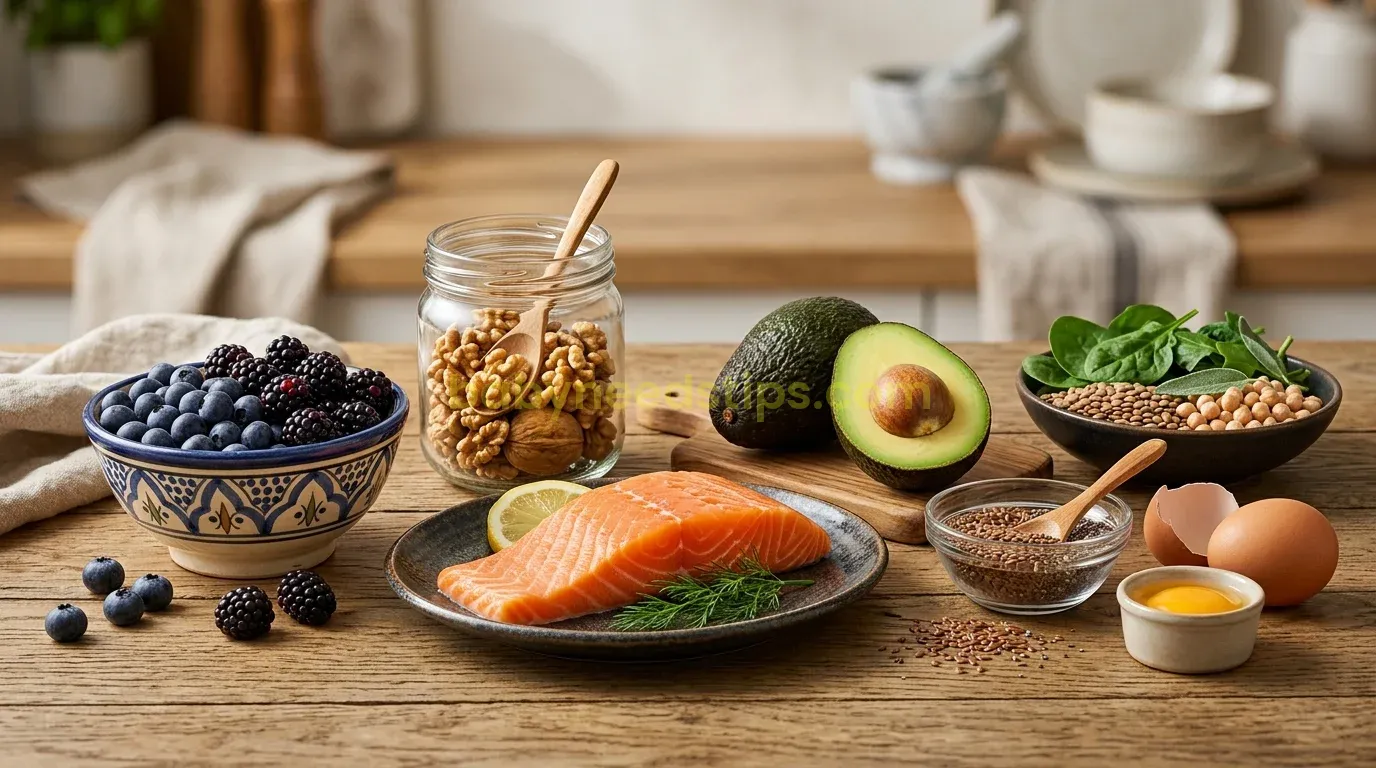
Iodine is a nutrient that has seen a surprising resurgence in deficiency cases. According to March 2025 data from the National Health and Nutrition Examination Survey (NHANES), nearly 59% of pregnant women in the U.S. now have inadequate iodine status. This is a critical gap because iodine is necessary for the production of thyroid hormones, which govern fetal brain growth and the migration of neurons.
Greek yogurt is an excellent, protein-rich source of iodine. In my experience, mothers who switch to plant-based milks often unknowingly cut out their primary source of iodine, as many almond and oat milks are not fortified with it. A single serving of Greek yogurt can provide up to 50% of your daily requirement.
Mild maternal iodine deficiency has been linked to lower IQ scores and language delays in children. The American Thyroid Association (2026) emphasizes that the “preconception and first trimester” windows are the most critical for iodine. If you are not consuming dairy, I recommend you discuss an iodine-containing supplement with your doctor, as many “gummy” prenatal vitamins currently sold in 2026 still lack this essential mineral.
5. Avocados: Building Neural Membranes
Avocados are often called the “perfect pregnancy food,” and for good reason. They are rich in monounsaturated fats, which are essential for building the physical structure of your baby’s brain. Specifically, these healthy fats are used to create neural membranes and the myelin sheath—the fatty coating that allows electrical impulses to travel quickly between brain cells.
One avocado contains approximately 250–300 calories, providing a nutrient-dense way to meet the increased energy demands of your second and third trimesters. In addition to fats, avocados are high in potassium and Vitamin K, which support healthy blood pressure and bone development.
I have observed that avocados are also a fantastic source of lutein, a carotenoid that accumulates in the fetal brain. Research published in Nutrients (2024) suggests that maternal lutein intake is positively correlated with better cognitive scores in infants at six months of age. We recommend that you add half an avocado to your breakfast or salad daily to support these structural “bricks” of the brain.
6. Walnuts and Seeds: Plant-Based Neuro-Support
If you follow a vegetarian or vegan diet, walnuts are your most powerful ally for brain health. They are the only nut with a significant amount of Alpha-Linolenic Acid (ALA), a plant-based omega-3 fatty acid. While the body’s conversion of ALA to DHA is limited, walnuts provide other neuro-protective compounds like polyphenols and Vitamin E.
In 2026, the “brain-shaped” walnut remains a staple in prenatal nutrition plans. A study from the Institute of Salud Global de Barcelona (2025) found that children whose mothers consumed nuts (especially walnuts and almonds) during the first trimester scored higher on tests of cognitive function and attention capacity.
We suggest a daily serving of 1 ounce (about 7 walnuts). To maximize the benefits, you can combine walnuts with pumpkin seeds, which are high in zinc. Zinc is a crucial mineral for DNA synthesis and the growth of brain cells. In my observation, the combination of healthy fats and minerals in nuts and seeds provides a sustained energy release, helping you manage the “pregnancy brain” fog that often occurs in the second trimester.
7. Blueberries: Antioxidant Protection for Memory
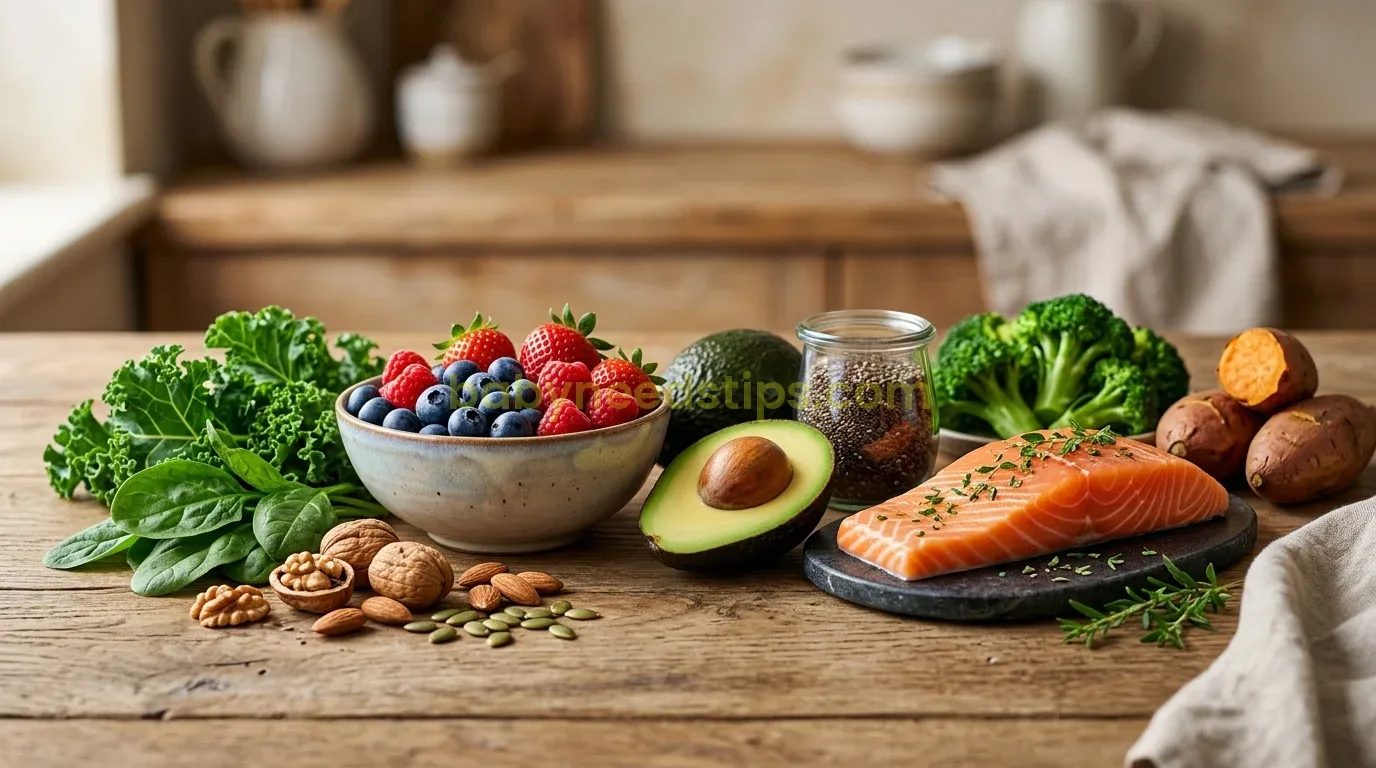
The University of Alberta published a fascinating follow-up study in late 2024 confirming that fruit consumption during pregnancy—specifically berries—is linked to better memory performance in infants. Blueberries are rich in anthocyanins, which protect the developing fetal brain from oxidative damage and inflammation.
Inflammation is a known risk factor for neurodevelopmental disorders. A 2025 review in Pediatric Research noted that a diet high in antioxidant-rich fruits can help maintain a “healthy intrauterine environment,” particularly if the mother is experiencing high levels of stress or environmental pollutants.
I recommend that you opt for organic blueberries whenever possible, as they are part of the “Dirty Dozen” list for pesticide residue. In my personal experience, a handful of frozen blueberries in a morning smoothie is one of the easiest ways to ensure you are getting these brain-protecting phytonutrients. As of 2026, the focus has shifted from just “calories” to “nutrient density,” and berries offer some of the highest density of any food group.
8. Legumes and Lentils: Iron for Brain Oxygenation
Iron is the vehicle that carries oxygen to your baby’s growing brain. During pregnancy, your blood volume increases by nearly 50%, which significantly raises your iron requirements to 27 mg per day. According to a 2025 report by the World Health Organization, iron deficiency remains the most common nutritional deficiency globally, affecting nearly 40% of pregnant women.
Lentils and beans are phenomenal plant-based sources of iron and protein. Iron deficiency in the womb has been linked to permanent changes in the auditory system and memory processing. Even mild “non-anemic” iron deficiency can impact a child’s motor skills later in life.
To improve the absorption of the “non-heme” iron found in lentils, I always recommend that you pair them with a Vitamin C source, like bell peppers or citrus. For example, a lentil soup with a squeeze of lemon juice can significantly boost the amount of iron your body actually absorbs. In 2026, “personalized nutrition” apps often flag iron as a critical metric for mothers in the third trimester, when the baby begins to build its own iron stores for the first six months of life.
*
Data Table 1: Essential Nutrients for Fetal Brain Development (2026 Data)
| Nutrient | Recommended Daily Intake (2026) | Primary Superfood Source | Role in Brain Development |
|---|---|---|---|
| DHA (Omega-3) | 350 – 450 mg | Wild Salmon / Sardines | Synapse formation & eye health |
| Choline | 450 – 550 mg | Egg Yolks | Hippocampus (memory) growth |
| Folate (B9) | 600 mcg (DFE) | Spinach / Kale | Neural tube closure & brain volume |
| Iodine | 220 – 290 mcg | Greek Yogurt / Seaweed | Thyroid-driven neuron migration |
| Iron | 27 mg | Lentils / Lean Beef | Oxygen delivery & neurogenesis |
| Lutein | No established RDA | Avocados | Visual processing & cognition |
Data Table 2: US Prenatal Nutrition Market and Statistics (2026 Projections)
| Metric | Value / Percentage | Source / Report |
|---|---|---|
| Choline Deficiency Rate | 90% of US pregnant women | Nutrition Insight (March 2026) |
| Preterm Birth Rate (USA) | 10.4% (Highest in decades) | CDC Provisional Data (2025) |
| Prenatal Supplement Market Value | $567.3 Million | Persistence Market Research (2026) |
| Iodine Inadequacy (Pregnant) | 23% to 59% | NIH / NHANES (March 2025) |
| Fish Oil Supplement CAGR | 15.88% (2026-2031) | Mordor Intelligence (2026) |
*
Critical Windows of Brain Growth
Understanding the “when” is just as important as the “what.” In my years of analyzing maternal health, I’ve found that many women start focusing on nutrition too late.
- First Trimester (Weeks 1-12): This is the window for neural tube formation. Folate and iodine are non-negotiable here. By week 7, your baby’s brain is already developing the distinct regions that will become the forebrain, midbrain, and hindbrain.
- Second Trimester (Weeks 13-26): This is the period of “explosive neurogenesis.” Neurons are being created at an incredible rate. Choline and iron are the stars of this phase, helping those neurons find their correct locations.
- Third Trimester (Weeks 27-Birth): The brain triples in weight during this time. DHA is critical now for myelination (insulating the brain’s “wiring”). This is also when the baby builds iron stores that must last until they start solid foods at six months.
Expert Perspective on 2026 Nutrition
“We find that specific dietary patterns during pregnancy may influence the child’s