
Raising Resilient Kids: Building Mental Strength Early


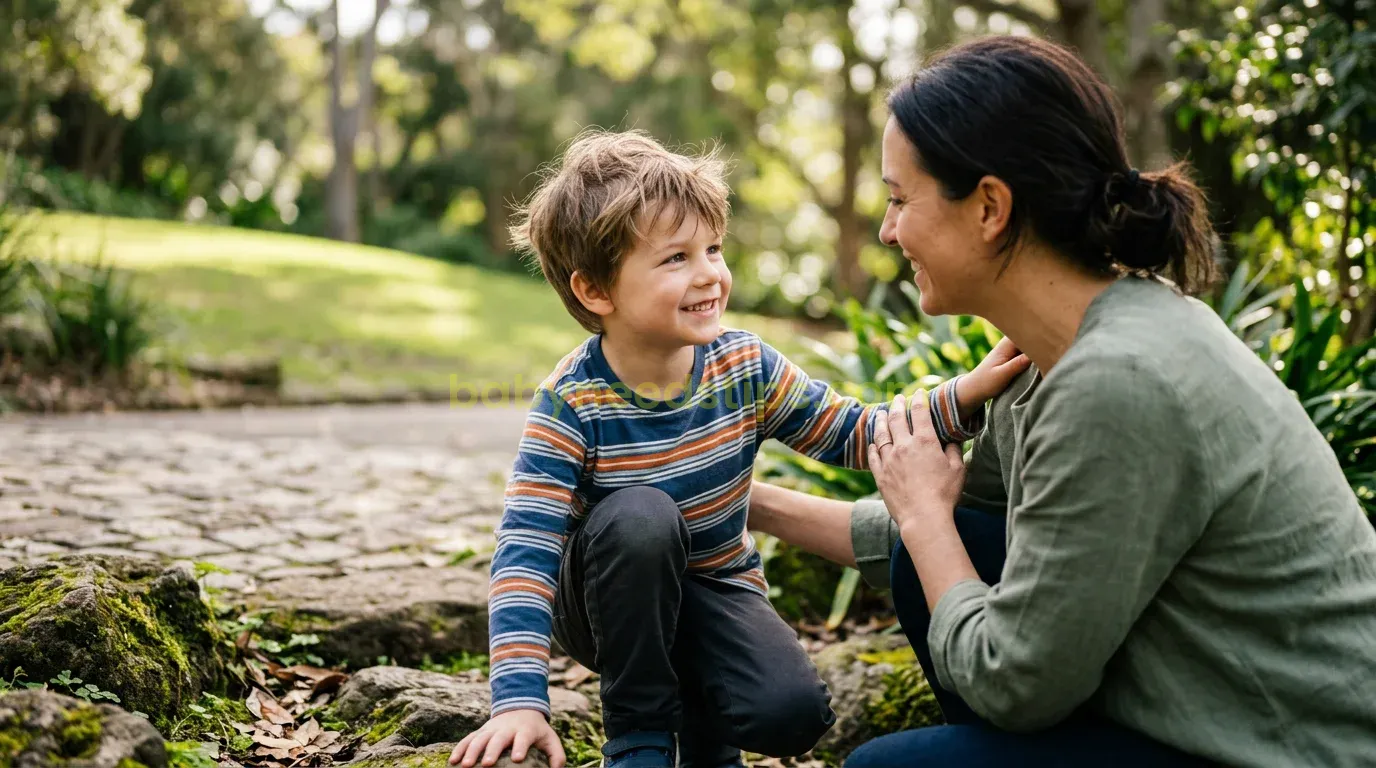
In an era where the world moves at an unprecedented pace, raising children who can navigate challenges with confidence is the ultimate goal for parents. As we move through 2026, the pressures on our youth have shifted; they are no longer just dealing with physical playground dynamics but also complex digital landscapes and a rapidly changing global environment. Resilience—the ability to bounce back from adversity and adapt to change—is not a trait children are simply born with. It is a fundamental set of skills that you, as parents and caregivers, can cultivate through intentional daily practices.
Building mental strength in early childhood acts as a psychological immunization. Just as we provide vitamins to support their immune systems, we must provide emotional tools to support their minds. This journey isn’t about protecting your children from every obstacle; it’s about equipping them with the internal compass needed to find their way when they get lost. By fostering a growth mindset and emotional intelligence today, you are ensuring they have the grit to lead fulfilling lives tomorrow. Whether you are looking for parenting resources or seeking a community of like-minded families, the path to resilience begins with a few foundational shifts in how we approach childhood struggle and success.
İçindekiler
- The Core Pillars of Resilience in 2026
- Emotional Regulation: Teaching the “Name It to Tame It” Method
- The Power of “Productive Struggle” and Age-Appropriate Risk
- Resilience-Building Parenting vs. Traditional Shielding
- Nurturing Digital Grit in a Hyper-Connected World
- Practical Daily Habits for Mental Fortitude
- Conclusion
- Sıkça Sorulan Sorular
The Core Pillars of Resilience in 2026
Resilience in the current year is defined by more than just “toughness.” It is a multi-dimensional framework that includes social connection, competence, and a sense of agency. In 2026, we see that children who excel are those who understand that failure is not a dead end but a data point. To build this foundation, you must focus on creating a secure base where your child feels safe enough to take risks.
The first pillar is Connection. Resilience is rooted in relationships. A child who knows they have a supportive “home base” is more likely to venture out into the unknown. The second pillar is Competence. This is the feeling that “I can handle this.” When you step back and allow your child to tie their own shoes or resolve a minor conflict with a peer, you are building their bank of competence.
“Resilience is not about avoiding the storm, but learning how to dance in the rain while keeping your feet firmly planted.” — Dr. Aris Thorne, child Development Specialist (2026)
Finally, Character and Contribution play vital roles. Children who understand their own values and see that they can make a positive impact on others develop a stronger sense of self. This internal strength becomes their anchor when external circumstances become turbulent.
Emotional Regulation: Teaching the “Name It to Tame It” Method
Mental strength starts with the ability to identify and manage emotions. In early childhood, “big feelings” often result in tantrums or withdrawal because the logical part of the brain is still under construction. Your role is to act as their external nervous system until they can regulate their own.
The Science of Labeling Emotions
When a child is overwhelmed, their amygdala (the brain’s alarm system) is in control. By teaching them to put a name to the feeling—be it frustration, jealousy, or exhaustion—you help shift the activity to the prefrontal cortex. This simple act of labeling creates a “space” between the feeling and the reaction.
Modeling Vulnerability
You cannot teach resilience if you pretend to be perfect. In 2026, the most effective parents are those who model healthy emotional processing. If you lose your keys and feel frustrated, voice it: “I’m feeling really frustrated right now because I can’t find my keys. I’m going to take three deep breaths before I look again.” This shows your child that even adults face challenges and have tools to handle them.
💡 Important: Validation does not mean agreement. You can validate a child’s anger (“I see you are angry that playdate is over”) without giving in to the demand.
The Power of “Productive Struggle” and Age-Appropriate Risk
As parents, our instinct is often to remove obstacles. However, “Lawnmower Parenting”—mowing down every problem in a child’s path—actually weakens their mental muscles. To build strength, children need “productive struggle.” This refers to tasks that are just beyond their current comfort zone but achievable with effort.
Encouraging Micro-Risks
Allowing your four-year-old to climb a slightly higher structure at the park or letting your six-year-old pour their own milk involves risk. They might fall, or they might spill. These small “failures” are essential. They teach the brain that mistakes are survivable and that persistence leads to mastery.
Re-framing Failure
In 2026, the most successful educational models emphasize the “Power of Yet.” Instead of saying “I can’t do this,” encourage your child to say “I can’t do this yet.” This subtle shift in language fosters a growth mindset, suggesting that ability is dynamic rather than fixed.
Resilience-Building Parenting vs. Traditional Shielding
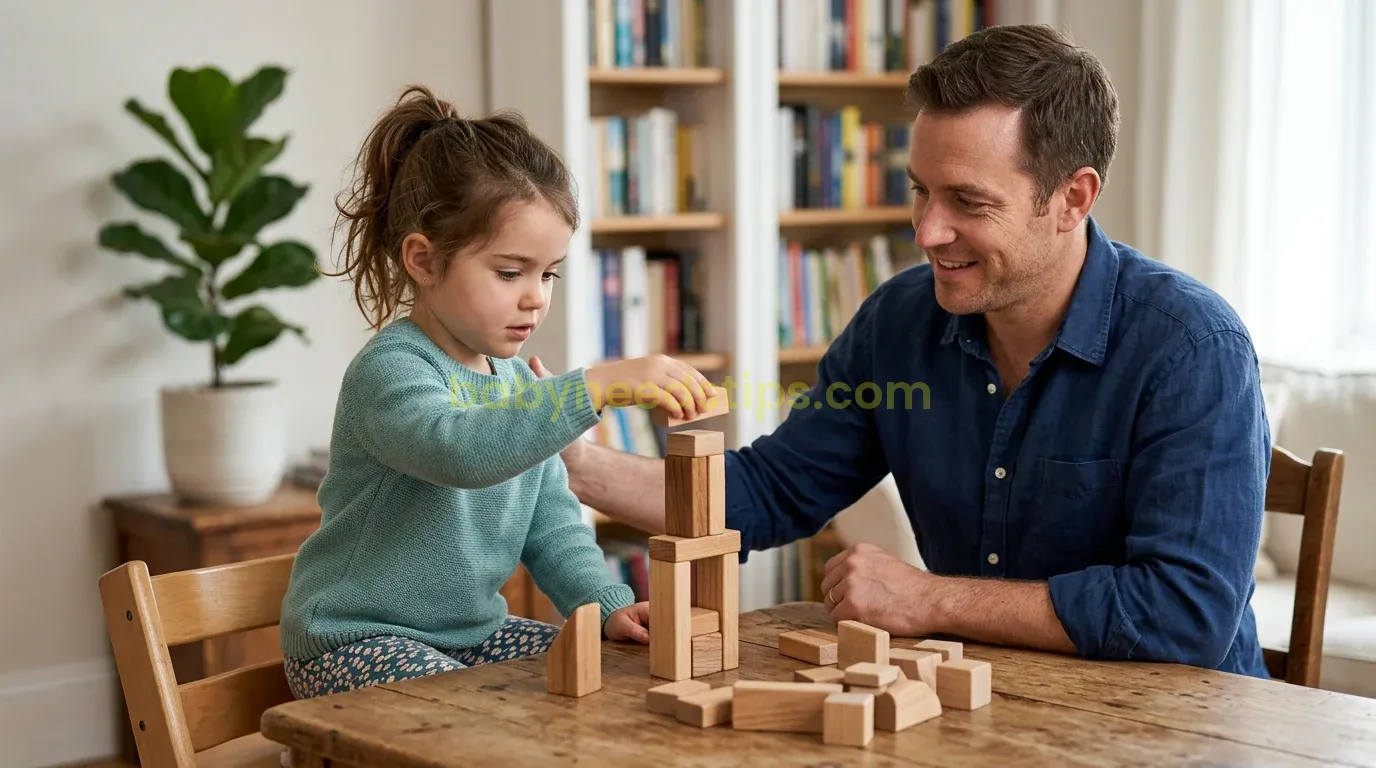
It is helpful to look at how parenting styles impact long-term mental grit. While shielding children provides immediate comfort, it often leads to increased anxiety when they face the real world. Resilience-building parenting, on the other hand, focuses on long-term preparation.
| Feature | Traditional Shielding (Over-Parenting) | Resilience-Building Parenting |
|---|---|---|
| Problem Solving | Parent solves the problem immediately. | Parent asks, “What do you think we should do?” |
| Response to Failure | “It’s okay, it wasn’t your fault/you didn’t want it anyway.” | “That was tough. What can we learn for next time?” |
| Risk Management | Avoiding all potential physical or emotional pain. | Encouraging “safe-to-fail” experiments. |
| Emotional Focus | Keeping the child “happy” at all costs. | Teaching the child to navigate all emotions. |
| Feedback Style | Constant praise for innate traits (“You’re so smart”). | Praise for effort and strategy (“You worked hard on that”). |
By choosing the right-hand column, you are treating childhood as a training ground rather than a protected bubble. This doesn’t mean being “tough” or “cold”; it means being a “Lighthouse Parent”—a steady, glowing presence that guides them while they navigate their own ship.
Nurturing Digital Grit in a Hyper-Connected World
By 2026, children are interacting with AI-integrated toys, VR learning environments, and social platforms earlier than ever. Digital resilience is the new frontier of mental strength. It involves teaching children how to handle online rejection, discern truth from AI-generated content, and manage their “digital dopamine.”
Managing Digital Frustration
Gaming and interactive apps often provide instant gratification, which can erode patience. Encourage “slow tech” activities—like digital art or coding—where the reward is delayed. If a child becomes frustrated with a digital task, use the same emotional regulation techniques used in the physical world.
The “Scroll-Back” Technique
Teach your children that what they see online is often a “highlight reel.” Help them understand that someone else’s digital success doesn’t diminish their real-world value. Building this awareness early prevents the comparison trap that often leads to mental health struggles in the teenage years.
“Technology is a tool, but emotional grit is the operator. We must teach children to control the tool before it controls their reactions.” — Tech-Parenting Initiative 2026
Practical Daily Habits for Mental Fortitude
Consistency is the secret ingredient to building mental strength. You don’t build a resilient child in a single weekend; you build them through the thousand small interactions you have every week.
- The “High-Low-Hero” Dinner Routine: Every night, have each family member share one thing that went well (High), one thing that was a struggle (Low), and one person they helped or saw helping (Hero). This normalizes struggle and highlights the importance of contribution.
- Physical Grit: Encourage activities that require physical endurance or coordination, like swimming, hiking, or gymnastics. Physical resilience often translates into mental resilience.
- The “Cool Down” Corner: Instead of a “Time Out” (which can feel like a loss of connection), create a “Cool Down” corner with sensory toys and books. This teaches the child to take proactive steps to calm their own nervous system.
- Responsibility Habits: Even toddlers can have “jobs,” like putting their pajamas in the hamper. Having responsibilities within the family unit builds a sense of belonging and competence.
💡 Important: Ensure your child gets enough sleep. A tired brain is a reactive brain, making it nearly impossible to practice resilience when things go wrong.
Building mental strength is a marathon, not a sprint. There will be days when you feel you’ve taken two steps back, but remember that the goal is progress, not perfection. By validating their feelings while encouraging their independence, you are giving them the greatest gift a parent can provide: the belief in their own ability to overcome.
Conclusion
As we look toward the future, the landscape of childhood will continue to evolve, but the core human need for resilience remains constant. Raising resilient kids in 2026 requires a delicate balance of empathy and empowerment. It requires you to be brave enough to watch them struggle and wise enough to know when to step in.
By focusing on emotional regulation, encouraging age-appropriate risks, and fostering a growth mindset, you are building a foundation that will serve them for decades. Your children don’t need a world without obstacles; they need the mental strength to climb over them, the wisdom to learn from them, and the heart to help others do the same. Start small, stay consistent, and remember that every challenge your child faces is an opportunity for them to discover just how strong they truly are.
Sıkça Sorulan Sorular
How can I tell if my child is resilient enough for their age?
Resilience doesn’t mean a lack of crying or frustration. A resilient child is one who, after a period of upset, can eventually attempt the task again or seek help to find a solution. If your child shows a willingness to try again after a “cool-down” period, they are developing healthy resilience.
Is it wrong to help my child when they are crying from frustration?
Not at all. Resilience is built through “co-regulation.” When you comfort a crying child, you are teaching their brain what “calm” feels like. Once they are calm, you can then pivot to problem-solving together rather than just doing the task for them.
At what age should I start teaching mental strength?
You can start from infancy by responding consistently to their needs, which builds the “secure attachment” necessary for resilience. By age 2 or 3, you can begin teaching simple emotional vocabulary and allowing them to handle small physical challenges.
How does physical health impact mental resilience?
The brain and body are deeply connected. Regular physical activity, a balanced diet, and consistent sleep schedules provide the neurological stability a child needs to handle emotional stress. Without these foundations, a child’s “window of tolerance” for frustration is much smaller.
What should I do if my child is “too sensitive”?
Sensitivity is actually a superpower when paired with resilience. For a sensitive child, the world feels louder and more intense. Focus on teaching them specific “grounding” techniques and celebrate their empathy, while still encouraging them to face small fears at their own pace.
How can I encourage my child to take risks if they are naturally timid?
Use “scaffolding.” If they are afraid of the big slide, start by sitting at the bottom together, then halfway up, then holding their hand. Break the risk down into tiny, manageable steps until they build enough confidence to do it alone.
Does praising my child actually help build resilience?
It depends on how you praise. Praise for innate traits (“You are so smart”) can make children afraid of failing because they don’t want to lose that label. Instead, praise the process (“I love how you tried three different ways to fix that block tower”). This encourages them to value effort over perfection.